Buy bloggingsmostwanted.com ?
We are moving the project
bloggingsmostwanted.com .
Are you interested in purchasing the domain
bloggingsmostwanted.com ?
domain@kv-gmbh.de · 0541-91531010
Buy bloggingsmostwanted.com ?
Why is the hydraulic disc brake grinding?
The hydraulic disc brake may be grinding due to several reasons such as contamination of the brake pads or rotors with dirt, debris, or oil. Another possible reason could be uneven wear on the brake pads or rotors, causing them to rub against each other. Additionally, the brake caliper or pistons may be misaligned or damaged, leading to grinding noises. It is important to inspect and address the issue promptly to prevent further damage and ensure safe braking performance. **
Why is the Tektro disc brake grinding?
The Tektro disc brake may be grinding due to several reasons. It could be caused by contamination on the brake pads or rotor, such as dirt, oil, or debris. Another possible reason is that the brake pads or rotor are worn out and need to be replaced. Additionally, improper adjustment or alignment of the brake caliper can also cause grinding. It is important to inspect and clean the brake system regularly to prevent grinding and ensure proper functioning. **
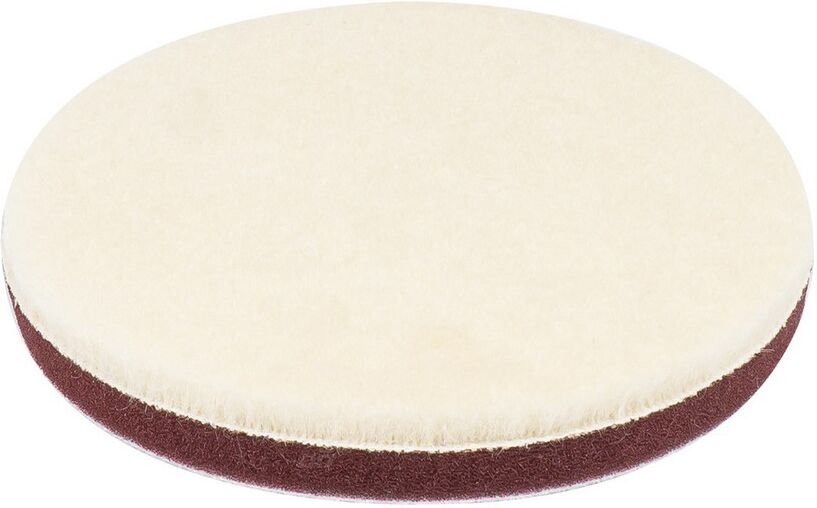

Similar search terms for AMiO-03706-Grinding-Disc
Top-Angebote
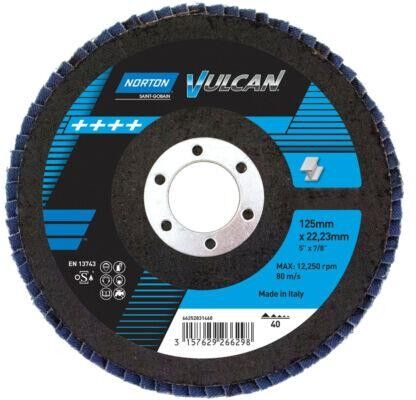
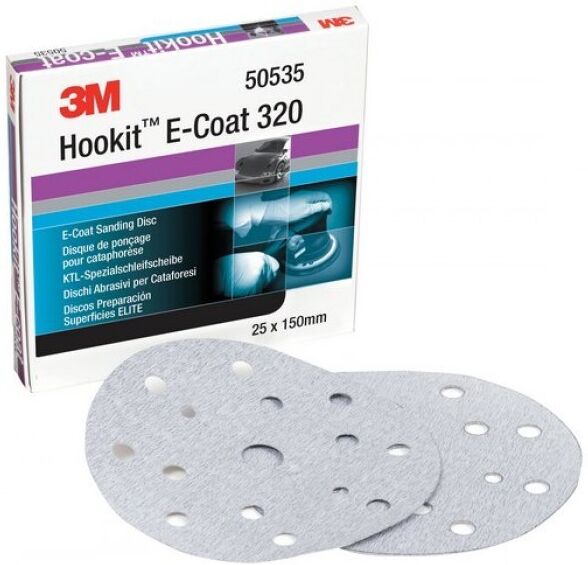
Products related to AMiO-03706-Grinding-Disc:


-
Why is the disc brake grinding metallically?
The disc brake may be grinding metallically due to several reasons. One common cause is worn brake pads, which can expose the metal backing and cause it to grind against the rotor. Another possibility is that the rotor itself is worn or damaged, leading to a rough, metallic grinding sound when the brakes are applied. Additionally, rust or debris buildup on the rotor or brake pads can also cause a metallic grinding noise. It's important to have the issue diagnosed and repaired by a professional to ensure safe and effective braking. **
-
What causes the grinding noise while driving and how can it damage the brake disc?
The grinding noise while driving is often caused by worn-out brake pads. When the brake pads wear down, the metal backing of the pads can come into contact with the brake disc, causing a grinding noise. This metal-on-metal contact can damage the brake disc by creating grooves and uneven wear on its surface. Over time, this can lead to decreased braking performance and potentially even brake failure. It is important to address the grinding noise promptly by replacing the brake pads to prevent further damage to the brake disc. **
-
Why cross grinding?
Cross grinding is a technique used in the sharpening of blades or tools to ensure a more precise and uniform edge. By grinding the blade in a crosshatch pattern, it helps to remove any burrs or imperfections left from previous sharpening methods. This results in a sharper edge that is more durable and consistent, making it ideal for tasks that require precision and control. Overall, cross grinding helps to improve the performance and longevity of the blade or tool. **
-
What does grinding mean?
Grinding typically refers to the act of repeatedly performing a task or activity, often in a video game context, in order to achieve a specific goal or level of progress. It involves putting in consistent effort and time to gradually improve skills, gain experience points, or acquire resources. Grinding can be seen as a way to advance in a game or reach a desired outcome through persistence and dedication. **


Is lead grinding dangerous?
Yes, lead grinding can be dangerous because it can release lead particles into the air, which can be inhaled and pose serious health risks. Lead exposure can cause a range of health issues, including damage to the nervous system, kidneys, and reproductive system. It is important to take proper safety precautions, such as wearing protective equipment and using ventilation systems, when working with lead grinding to minimize the risk of exposure. Additionally, it is important to follow proper disposal procedures for lead-containing waste to prevent environmental contamination. **
Is it permissible to inhale the grinding dust generated when grinding beryllium cans?
No, it is not permissible to inhale the grinding dust generated when grinding beryllium cans. Beryllium is a toxic metal that can cause serious health issues if inhaled, such as chronic beryllium disease (CBD) which can lead to lung damage and respiratory problems. It is important to use proper ventilation and personal protective equipment when working with beryllium to minimize the risk of exposure to the dust. Additionally, it is important to follow safety guidelines and regulations set forth by OSHA and other regulatory agencies when working with hazardous materials like beryllium. **
Top-Angebote
Products related to AMiO-03706-Grinding-Disc:
-
Symantec Norton Abrasives 66623378981 Grinding Disc, angle grinderProduct line: VORTEX; Bore Diameter [mm]: 22; Suitable For (substance/mix/gas/chemicals): Stainless Steel, Steel; Diameter: 125; Grit Rating (grinding agent): Very Fine; Type: S25035,29 £*Shipping: 8,45 £Secure redirect to the provider
-
Why is the hydraulic disc brake grinding?
The hydraulic disc brake may be grinding due to several reasons such as contamination of the brake pads or rotors with dirt, debris, or oil. Another possible reason could be uneven wear on the brake pads or rotors, causing them to rub against each other. Additionally, the brake caliper or pistons may be misaligned or damaged, leading to grinding noises. It is important to inspect and address the issue promptly to prevent further damage and ensure safe braking performance. **
-
Why is the Tektro disc brake grinding?
The Tektro disc brake may be grinding due to several reasons. It could be caused by contamination on the brake pads or rotor, such as dirt, oil, or debris. Another possible reason is that the brake pads or rotor are worn out and need to be replaced. Additionally, improper adjustment or alignment of the brake caliper can also cause grinding. It is important to inspect and clean the brake system regularly to prevent grinding and ensure proper functioning. **
-
Why is the disc brake grinding metallically?
The disc brake may be grinding metallically due to several reasons. One common cause is worn brake pads, which can expose the metal backing and cause it to grind against the rotor. Another possibility is that the rotor itself is worn or damaged, leading to a rough, metallic grinding sound when the brakes are applied. Additionally, rust or debris buildup on the rotor or brake pads can also cause a metallic grinding noise. It's important to have the issue diagnosed and repaired by a professional to ensure safe and effective braking. **
-
What causes the grinding noise while driving and how can it damage the brake disc?
The grinding noise while driving is often caused by worn-out brake pads. When the brake pads wear down, the metal backing of the pads can come into contact with the brake disc, causing a grinding noise. This metal-on-metal contact can damage the brake disc by creating grooves and uneven wear on its surface. Over time, this can lead to decreased braking performance and potentially even brake failure. It is important to address the grinding noise promptly by replacing the brake pads to prevent further damage to the brake disc. **
Similar search terms for AMiO-03706-Grinding-Disc
-
Why cross grinding?
Cross grinding is a technique used in the sharpening of blades or tools to ensure a more precise and uniform edge. By grinding the blade in a crosshatch pattern, it helps to remove any burrs or imperfections left from previous sharpening methods. This results in a sharper edge that is more durable and consistent, making it ideal for tasks that require precision and control. Overall, cross grinding helps to improve the performance and longevity of the blade or tool. **
-
What does grinding mean?
Grinding typically refers to the act of repeatedly performing a task or activity, often in a video game context, in order to achieve a specific goal or level of progress. It involves putting in consistent effort and time to gradually improve skills, gain experience points, or acquire resources. Grinding can be seen as a way to advance in a game or reach a desired outcome through persistence and dedication. **
-
Is lead grinding dangerous?
Yes, lead grinding can be dangerous because it can release lead particles into the air, which can be inhaled and pose serious health risks. Lead exposure can cause a range of health issues, including damage to the nervous system, kidneys, and reproductive system. It is important to take proper safety precautions, such as wearing protective equipment and using ventilation systems, when working with lead grinding to minimize the risk of exposure. Additionally, it is important to follow proper disposal procedures for lead-containing waste to prevent environmental contamination. **
-
Is it permissible to inhale the grinding dust generated when grinding beryllium cans?
No, it is not permissible to inhale the grinding dust generated when grinding beryllium cans. Beryllium is a toxic metal that can cause serious health issues if inhaled, such as chronic beryllium disease (CBD) which can lead to lung damage and respiratory problems. It is important to use proper ventilation and personal protective equipment when working with beryllium to minimize the risk of exposure to the dust. Additionally, it is important to follow safety guidelines and regulations set forth by OSHA and other regulatory agencies when working with hazardous materials like beryllium. **
* All prices are inclusive of VAT and, if applicable, plus shipping costs. The offer information is based on the details provided by the respective shop and is updated through automated processes. Real-time updates do not occur, so deviations can occur in individual cases. ** Note: Parts of this content were created by AI.