Buy bloggingsmostwanted.com ?
We are moving the project
bloggingsmostwanted.com .
Are you interested in purchasing the domain
bloggingsmostwanted.com ?
domain@kv-gmbh.de · 0541-91531010
Buy bloggingsmostwanted.com ?
Instead of 4 ohm speakers, 8 ohm?
Using 8 ohm speakers instead of 4 ohm speakers can have some advantages. The higher impedance of 8 ohm speakers can result in better sound quality and clarity, as they are less likely to strain the amplifier. Additionally, 8 ohm speakers are more common and widely available, making it easier to find compatible equipment. However, it's important to ensure that the amplifier can handle the higher impedance to prevent any damage. **
What is 75 b and 75 c?
75b and 75c are typically used to refer to specific sections or subsections within a larger document or text. For example, in a legal document or a book, 75b and 75c could be two different clauses or paragraphs that are sequentially numbered for easy reference. These designations help readers quickly locate and navigate to the specific information they are looking for within the text. **

Similar search terms for Belden-1694ELW-75-Ohm
Top-Angebote
Products related to Belden-1694ELW-75-Ohm:

-
How does a 2-ohm radio work with 4-ohm speakers?
A 2-ohm radio connected to 4-ohm speakers can potentially cause issues. The mismatch in impedance can lead to distortion, overheating, and potentially damage the radio or speakers. It is recommended to match the impedance of the radio and speakers for optimal performance and to prevent any damage. If using a 2-ohm radio with 4-ohm speakers, it is advisable to use a speaker impedance matching device to ensure compatibility. **
-
What is the difference between 4 ohm and 6 ohm HiFi?
The main difference between 4 ohm and 6 ohm HiFi speakers is their impedance. The lower the impedance, the more power the speakers will draw from the amplifier. 4 ohm speakers will draw more power from the amplifier compared to 6 ohm speakers, which means they can potentially produce louder sound. However, not all amplifiers are designed to handle 4 ohm speakers, so it's important to check the compatibility of the speakers with the amplifier before making a purchase. **
-
Can I connect a 6-ohm speaker to a 3-ohm amplifier?
It is not recommended to connect a 6-ohm speaker to a 3-ohm amplifier. The speaker's impedance should ideally be higher than the amplifier's output impedance to prevent damage to the amplifier. Mismatched impedance can result in poor sound quality, overheating, and potentially damaging the equipment. It is best to use speakers and amplifiers with matching or compatible impedance ratings to ensure optimal performance and longevity of the equipment. **
-
Can you bridge a 4-ohm subwoofer to a 4-ohm amplifier?
No, it is not recommended to bridge a 4-ohm subwoofer to a 4-ohm amplifier. Bridging involves combining two channels of an amplifier to increase power output, but in this case, the impedance of the subwoofer matches the amplifier. Bridging a 4-ohm subwoofer to a 4-ohm amplifier could potentially overload the amplifier and cause damage to the equipment. It is best to match the impedance of the subwoofer and amplifier for optimal performance and to prevent any potential damage. **
Can you operate a 4-ohm subwoofer with a 1-ohm amplifier?
No, it is not recommended to operate a 4-ohm subwoofer with a 1-ohm amplifier. The impedance of the subwoofer should match or be higher than the minimum stable impedance rating of the amplifier to prevent damage to the equipment. Using a subwoofer with a higher impedance than the amplifier's minimum rating can cause the amplifier to overheat and potentially fail. It is important to match the impedance ratings of the subwoofer and amplifier for optimal performance and to avoid any potential damage. **
Can a 4-ohm subwoofer be operated with a 1-ohm amplifier?
No, a 4-ohm subwoofer should not be operated with a 1-ohm amplifier. The impedance of the subwoofer should match or be higher than the minimum impedance rating of the amplifier to prevent damage to the equipment. Using a 4-ohm subwoofer with a 1-ohm amplifier can result in overheating, distortion, and potentially damaging the amplifier or subwoofer. It is important to always match the impedance ratings of the subwoofer and amplifier for optimal performance and to avoid any potential damage. **
Top-Angebote
Products related to Belden-1694ELW-75-Ohm:
-
Belden 1694ELW 75 Ohm SDI Video Coax Cable, RG-6, 18 AWG, LSZHBelden 1694ELW 75 Ohm SDI video coaxial cable, RG-6 type. 18 AWG solid bare copper conductor, PE insulation, foil plus 95% tinned copper braid shield, LSZH (low smoke zero halogen) jacket, CPR Euroclass Cca.1204,99 £*Shipping: 0,00 £Secure redirect to the provider
-
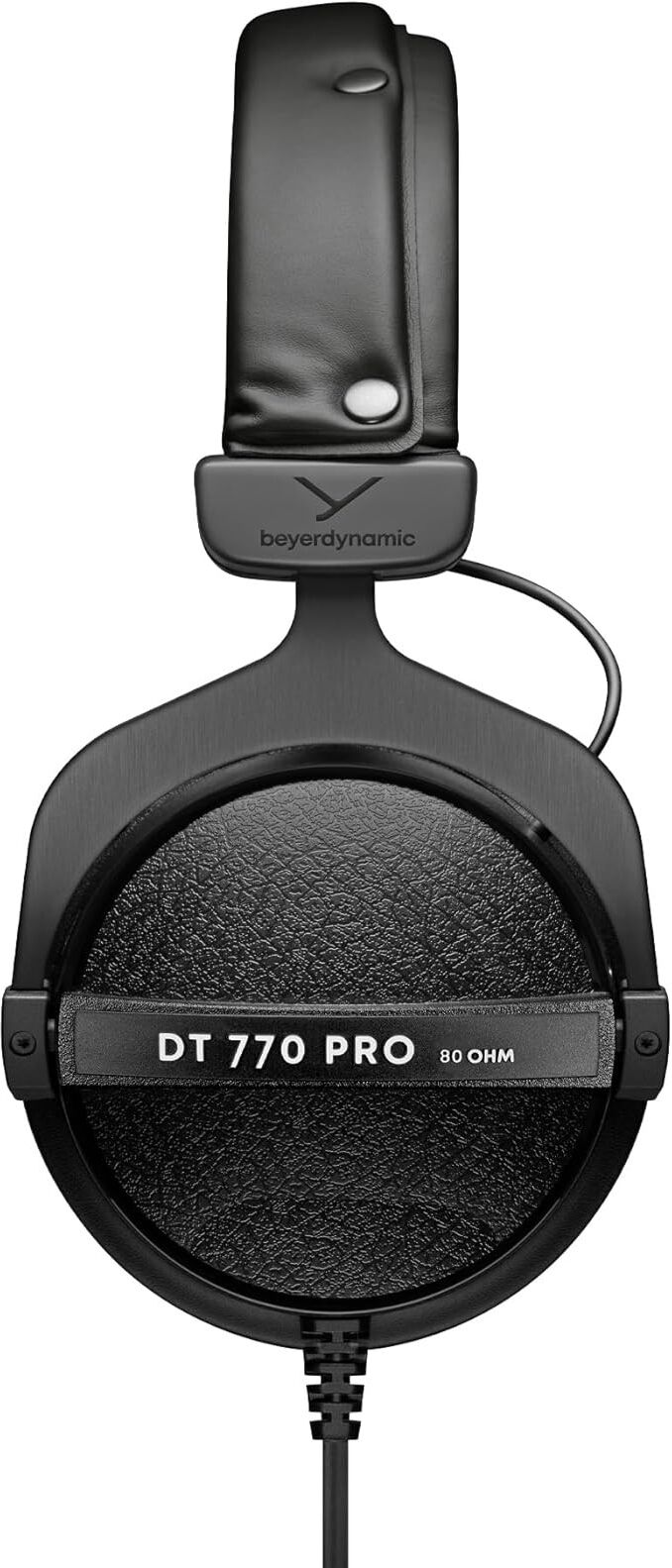
beyerdynamic DT 770 PRO 80 Ohm – Closed-Back Studio Headphones (80 Ohm)The beyerdynamic DT 770 PRO 80 Ohm is a professional-grade closed-back studio headphone designed for mixing, monitoring, and recording. Known for its detailed sound, deep bass response, and excellent isolation, it delivers accurate audio reproduction for studio and critical listening use. The comfortable over-ear design makes it suitable for long sessions in music production or content creation.112,49 £*Shipping: 0,00 £Secure redirect to the provider
-
Instead of 4 ohm speakers, 8 ohm?
Using 8 ohm speakers instead of 4 ohm speakers can have some advantages. The higher impedance of 8 ohm speakers can result in better sound quality and clarity, as they are less likely to strain the amplifier. Additionally, 8 ohm speakers are more common and widely available, making it easier to find compatible equipment. However, it's important to ensure that the amplifier can handle the higher impedance to prevent any damage. **
-
What is 75 b and 75 c?
75b and 75c are typically used to refer to specific sections or subsections within a larger document or text. For example, in a legal document or a book, 75b and 75c could be two different clauses or paragraphs that are sequentially numbered for easy reference. These designations help readers quickly locate and navigate to the specific information they are looking for within the text. **
-
How does a 2-ohm radio work with 4-ohm speakers?
A 2-ohm radio connected to 4-ohm speakers can potentially cause issues. The mismatch in impedance can lead to distortion, overheating, and potentially damage the radio or speakers. It is recommended to match the impedance of the radio and speakers for optimal performance and to prevent any damage. If using a 2-ohm radio with 4-ohm speakers, it is advisable to use a speaker impedance matching device to ensure compatibility. **
-
What is the difference between 4 ohm and 6 ohm HiFi?
The main difference between 4 ohm and 6 ohm HiFi speakers is their impedance. The lower the impedance, the more power the speakers will draw from the amplifier. 4 ohm speakers will draw more power from the amplifier compared to 6 ohm speakers, which means they can potentially produce louder sound. However, not all amplifiers are designed to handle 4 ohm speakers, so it's important to check the compatibility of the speakers with the amplifier before making a purchase. **
Similar search terms for Belden-1694ELW-75-Ohm
-
Can I connect a 6-ohm speaker to a 3-ohm amplifier?
It is not recommended to connect a 6-ohm speaker to a 3-ohm amplifier. The speaker's impedance should ideally be higher than the amplifier's output impedance to prevent damage to the amplifier. Mismatched impedance can result in poor sound quality, overheating, and potentially damaging the equipment. It is best to use speakers and amplifiers with matching or compatible impedance ratings to ensure optimal performance and longevity of the equipment. **
-
Can you bridge a 4-ohm subwoofer to a 4-ohm amplifier?
No, it is not recommended to bridge a 4-ohm subwoofer to a 4-ohm amplifier. Bridging involves combining two channels of an amplifier to increase power output, but in this case, the impedance of the subwoofer matches the amplifier. Bridging a 4-ohm subwoofer to a 4-ohm amplifier could potentially overload the amplifier and cause damage to the equipment. It is best to match the impedance of the subwoofer and amplifier for optimal performance and to prevent any potential damage. **
-
Can you operate a 4-ohm subwoofer with a 1-ohm amplifier?
No, it is not recommended to operate a 4-ohm subwoofer with a 1-ohm amplifier. The impedance of the subwoofer should match or be higher than the minimum stable impedance rating of the amplifier to prevent damage to the equipment. Using a subwoofer with a higher impedance than the amplifier's minimum rating can cause the amplifier to overheat and potentially fail. It is important to match the impedance ratings of the subwoofer and amplifier for optimal performance and to avoid any potential damage. **
-
Can a 4-ohm subwoofer be operated with a 1-ohm amplifier?
No, a 4-ohm subwoofer should not be operated with a 1-ohm amplifier. The impedance of the subwoofer should match or be higher than the minimum impedance rating of the amplifier to prevent damage to the equipment. Using a 4-ohm subwoofer with a 1-ohm amplifier can result in overheating, distortion, and potentially damaging the amplifier or subwoofer. It is important to always match the impedance ratings of the subwoofer and amplifier for optimal performance and to avoid any potential damage. **
* All prices are inclusive of VAT and, if applicable, plus shipping costs. The offer information is based on the details provided by the respective shop and is updated through automated processes. Real-time updates do not occur, so deviations can occur in individual cases. ** Note: Parts of this content were created by AI.