Buy bloggingsmostwanted.com ?
We are moving the project
bloggingsmostwanted.com .
Are you interested in purchasing the domain
bloggingsmostwanted.com ?
domain@kv-gmbh.de · 0541-91531010
Buy bloggingsmostwanted.com ?
How to read a SATA hard drive?
To read a SATA hard drive, you will need to connect it to a computer using a SATA cable. Once the hard drive is connected, you can access its contents by opening the file explorer on your computer. The SATA hard drive should appear as a new drive in the file explorer, allowing you to browse and access the files stored on it. If the hard drive is not recognized by the computer, you may need to check the connections and ensure that the drive is properly powered. **
Is the hard drive SATA or SSD?
The hard drive is a Solid State Drive (SSD). This means that it uses flash memory to store data, which allows for faster read and write speeds compared to traditional SATA hard drives. SSDs are also more durable and reliable due to the lack of moving parts, making them a popular choice for modern computers and laptops. **


Similar search terms for SATA-11909-Square-Drive
Top-Angebote
Products related to SATA-11909-Square-Drive:

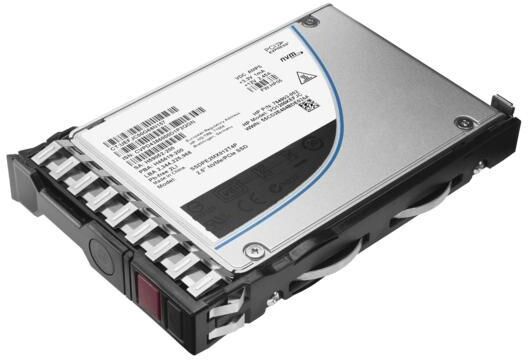


-
Can I connect a SATA 3 hard drive to a SATA 2 motherboard?
Yes, you can connect a SATA 3 hard drive to a SATA 2 motherboard. SATA 3 hard drives are backwards compatible with SATA 2 ports, so they will work together. However, the transfer speeds will be limited to the maximum speed supported by the SATA 2 interface, which is 3 Gb/s, instead of the faster 6 Gb/s speed of SATA 3. **
-
What is the SATA connection of the drive?
The SATA connection of the drive refers to the type of interface used to connect the drive to the computer. SATA, which stands for Serial Advanced Technology Attachment, is a popular type of connection for hard drives and solid-state drives. It allows for high-speed data transfer between the drive and the computer, making it suitable for use in modern systems. The SATA connection typically consists of a small, L-shaped connector and a corresponding port on the drive and the motherboard. **
-
Can you connect a SATA III SSD notebook hard drive to a SATA II port?
Yes, you can connect a SATA III SSD notebook hard drive to a SATA II port. SATA III drives are backwards compatible with SATA II ports, but they will only operate at the maximum speed supported by the SATA II interface. This means that you may not achieve the full speed potential of the SSD, but it will still work and be faster than a traditional hard drive. **
-
How can I tell if my drive has a SATA III or SATA II connection?
To determine if your drive has a SATA III or SATA II connection, you can check the specifications of the drive or the device it is connected to. Look for the SATA version in the product manual or on the manufacturer's website. Additionally, you can check the speed of the drive using a diagnostic tool or software that provides information about the drive's connection speed. Another way to check is to look at the physical connectors on the drive and the motherboard - SATA III connectors typically have a different shape or color compared to SATA II connectors. **


How can I connect a SATA DVD drive differently?
You can connect a SATA DVD drive differently by using a SATA to USB adapter or enclosure. This allows you to connect the drive to your computer via a USB port instead of directly to the motherboard. Another option is to use a SATA expansion card, which can provide additional SATA ports for connecting the DVD drive. Additionally, you can also use a SATA to eSATA cable to connect the drive to an external eSATA port on your computer. **
Which connection, SATA or HDD, does a DVD drive require?
A DVD drive typically requires a SATA connection. SATA (Serial Advanced Technology Attachment) is the standard interface used for connecting optical drives like DVD drives to a computer's motherboard. This connection allows for faster data transfer speeds and more reliable performance compared to older HDD (Hard Disk Drive) connections. Therefore, when installing a DVD drive in a computer, it is important to ensure that the motherboard has a SATA port available for connection. **
Top-Angebote
Products related to SATA-11909-Square-Drive:
-
How to read a SATA hard drive?
To read a SATA hard drive, you will need to connect it to a computer using a SATA cable. Once the hard drive is connected, you can access its contents by opening the file explorer on your computer. The SATA hard drive should appear as a new drive in the file explorer, allowing you to browse and access the files stored on it. If the hard drive is not recognized by the computer, you may need to check the connections and ensure that the drive is properly powered. **
-
Is the hard drive SATA or SSD?
The hard drive is a Solid State Drive (SSD). This means that it uses flash memory to store data, which allows for faster read and write speeds compared to traditional SATA hard drives. SSDs are also more durable and reliable due to the lack of moving parts, making them a popular choice for modern computers and laptops. **
-
Can I connect a SATA 3 hard drive to a SATA 2 motherboard?
Yes, you can connect a SATA 3 hard drive to a SATA 2 motherboard. SATA 3 hard drives are backwards compatible with SATA 2 ports, so they will work together. However, the transfer speeds will be limited to the maximum speed supported by the SATA 2 interface, which is 3 Gb/s, instead of the faster 6 Gb/s speed of SATA 3. **
-
What is the SATA connection of the drive?
The SATA connection of the drive refers to the type of interface used to connect the drive to the computer. SATA, which stands for Serial Advanced Technology Attachment, is a popular type of connection for hard drives and solid-state drives. It allows for high-speed data transfer between the drive and the computer, making it suitable for use in modern systems. The SATA connection typically consists of a small, L-shaped connector and a corresponding port on the drive and the motherboard. **
Similar search terms for SATA-11909-Square-Drive
-
Can you connect a SATA III SSD notebook hard drive to a SATA II port?
Yes, you can connect a SATA III SSD notebook hard drive to a SATA II port. SATA III drives are backwards compatible with SATA II ports, but they will only operate at the maximum speed supported by the SATA II interface. This means that you may not achieve the full speed potential of the SSD, but it will still work and be faster than a traditional hard drive. **
-
How can I tell if my drive has a SATA III or SATA II connection?
To determine if your drive has a SATA III or SATA II connection, you can check the specifications of the drive or the device it is connected to. Look for the SATA version in the product manual or on the manufacturer's website. Additionally, you can check the speed of the drive using a diagnostic tool or software that provides information about the drive's connection speed. Another way to check is to look at the physical connectors on the drive and the motherboard - SATA III connectors typically have a different shape or color compared to SATA II connectors. **
-
How can I connect a SATA DVD drive differently?
You can connect a SATA DVD drive differently by using a SATA to USB adapter or enclosure. This allows you to connect the drive to your computer via a USB port instead of directly to the motherboard. Another option is to use a SATA expansion card, which can provide additional SATA ports for connecting the DVD drive. Additionally, you can also use a SATA to eSATA cable to connect the drive to an external eSATA port on your computer. **
-
Which connection, SATA or HDD, does a DVD drive require?
A DVD drive typically requires a SATA connection. SATA (Serial Advanced Technology Attachment) is the standard interface used for connecting optical drives like DVD drives to a computer's motherboard. This connection allows for faster data transfer speeds and more reliable performance compared to older HDD (Hard Disk Drive) connections. Therefore, when installing a DVD drive in a computer, it is important to ensure that the motherboard has a SATA port available for connection. **
* All prices are inclusive of VAT and, if applicable, plus shipping costs. The offer information is based on the details provided by the respective shop and is updated through automated processes. Real-time updates do not occur, so deviations can occur in individual cases. ** Note: Parts of this content were created by AI.